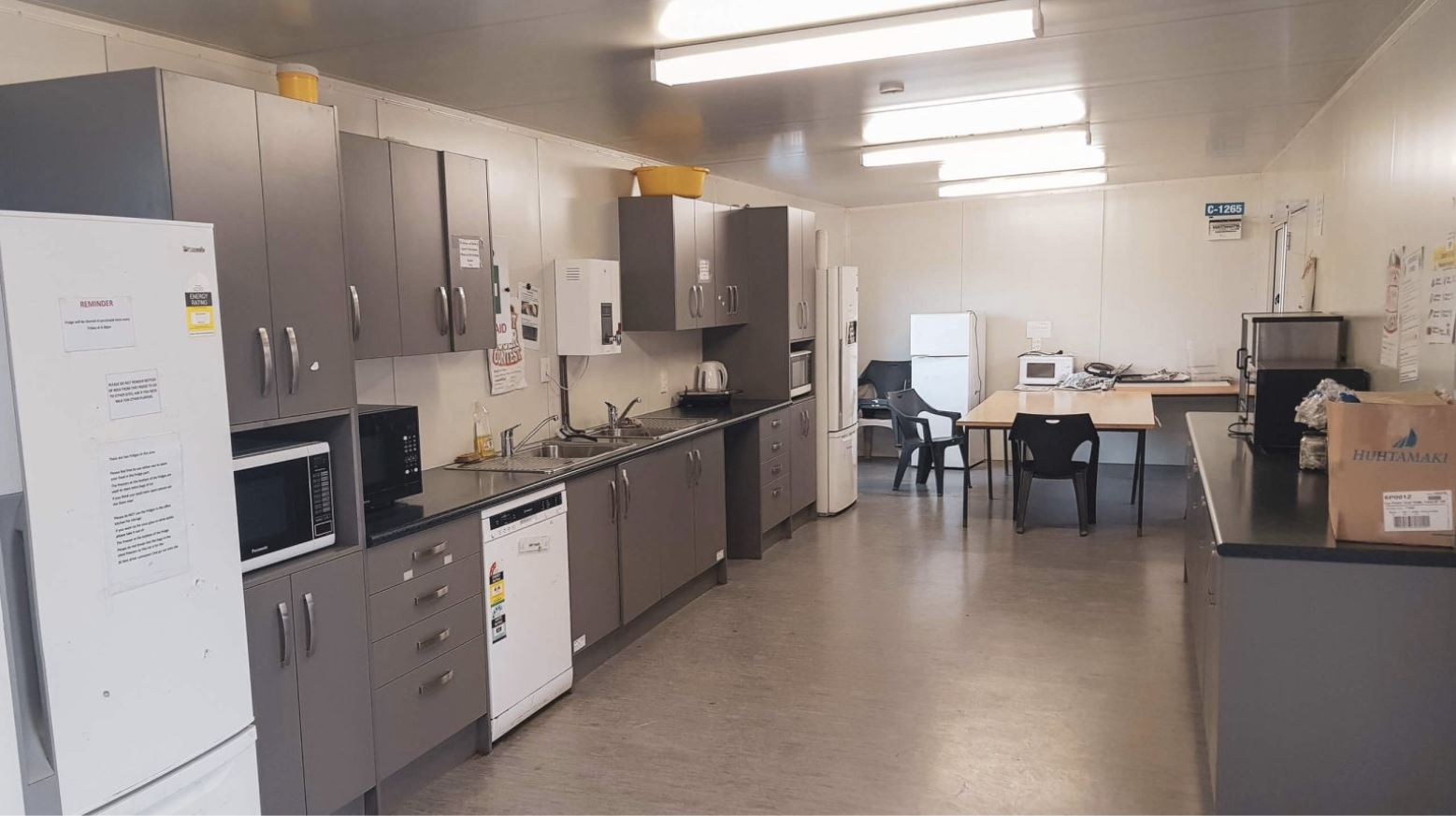

Combo Office And Lunchroom Units: When A Split Site Setup Makes Sense
On a busy site, space disappears quickly. One part of the crew needs somewhere quiet to handle plans, site meetings, inductions, and paperwork. Another part needs a clean place to sit down, eat lunch, and get out of the weather. When those needs are handled with separate buildings, things can work well, but they can also take up more room, cost more to deliver, and create extra movement around the site.
That is where a combo office and lunchroom unit starts to make real sense.
A split setup gives you two practical spaces under one roof. For many New Zealand worksites, that is a smarter use of space, budget, and logistics. If you are deciding between separate buildings or a combined unit, here is what we would look at first.
What Is A Combo Office And Lunchroom Unit?
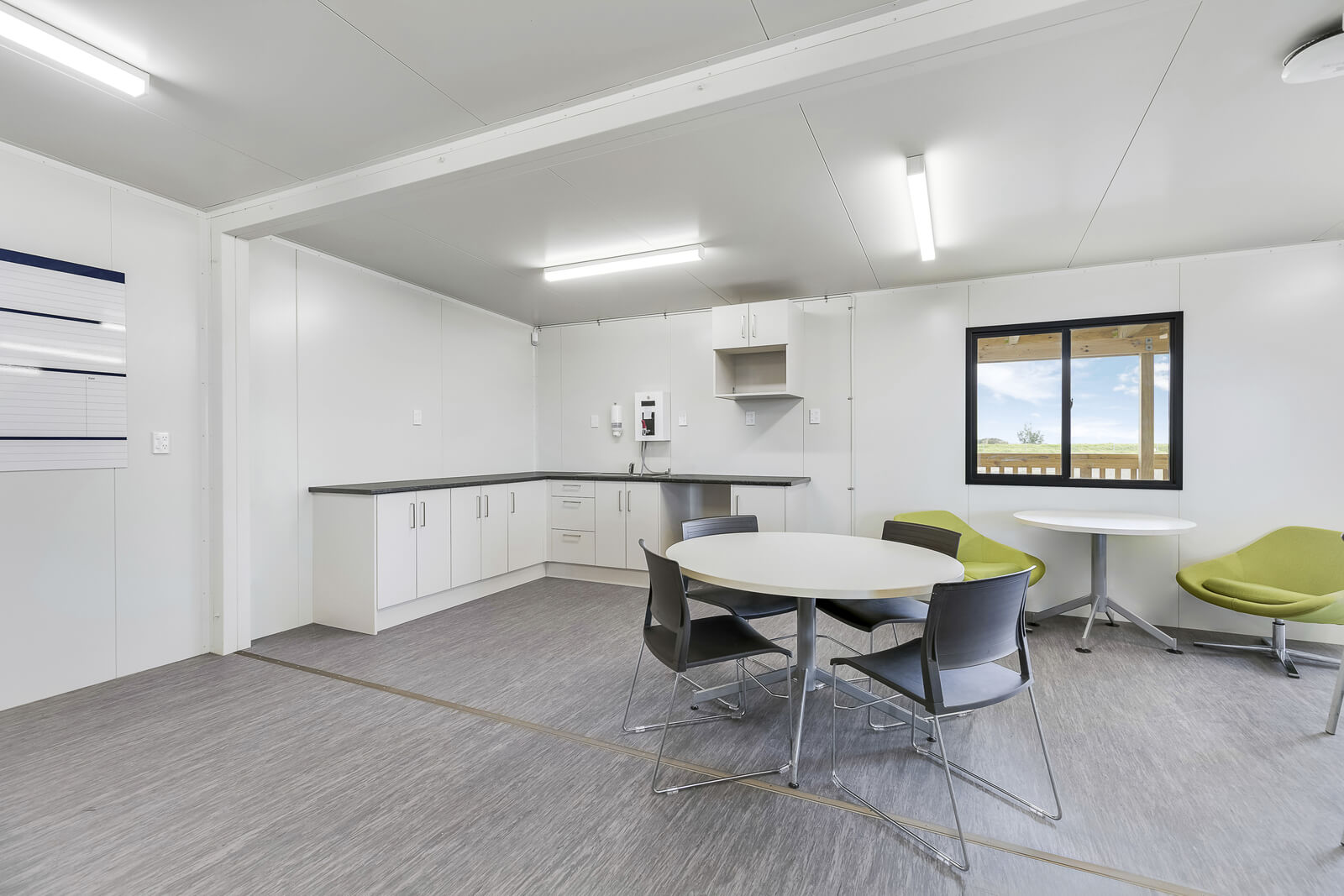
A combo office and lunchroom unit is a portable building designed with two separate internal zones. One side is set up as a working office. The other is used as a lunchroom or break space. Depending on the size and layout, the split can be balanced evenly or weighted more toward one than the other.
This type of layout suits projects that need both functions but do not have the room, the budget, or the reason to bring in two separate buildings. Our combo office and lunchroom units are especially useful on construction sites, civil jobs, infrastructure projects, temporary compounds, and remote works where every square metre counts.
When A Combo Unit Is Better Than Separate Buildings
Separate units are still the right call on some sites, especially larger projects with multiple supervisors or bigger crews. But a split unit often works better when the site footprint is tight or the project needs are fairly simple.
A combo setup is usually the better option when:
- one supervisor or small admin team needs office space
- the crew only needs a modest lunch area
- the project is temporary and mobility matters
- delivery access is limited
- reducing setup complexity is important
Instead of managing two delivery positions, two separate support areas, and extra space between them, you get a cleaner footprint with a single building doing both jobs.
That can make a real difference on urban sites, roadside projects, school works, or any location where the usable area is tighter than people first expect.
How Much Space Can It Save?
This is one of the biggest reasons clients start looking seriously at split layouts.
A combined unit usually takes up less site area than separate office and lunchroom buildings because you are removing the gap between structures and reducing duplicated access space. There is one roofline, one placement area, and a more compact overall footprint.
That does not just save ground space. It can also simplify:
- access planning
- delivery logistics
- fencing and pedestrian movement
- power runs
- general site layout
If your site also needs toilets nearby, it becomes easier to build a sensible welfare zone around the office and lunchroom using a portable toilet block rather than scattering facilities across the project.
Which Sites Benefit Most From A Split Layout?
Combo units are especially useful on sites where the workflow is straightforward and the team size is manageable.
They often work well for:
Small To Mid-Sized Construction Sites
If one foreman or site manager needs office space while the crew needs a nearby break area, a combo unit can do both jobs neatly. This is common on residential developments, light commercial builds, and fit-out projects.
Civil And Infrastructure Work
Roading, utilities, and infrastructure crews often work on sites where setup space is limited or changes as the project moves. A split unit keeps the layout efficient and easier to relocate.
Rural And Remote Projects
For rural works, forestry support, or regional projects, keeping the setup compact can make transport and site planning much easier. A combo unit gives you the practical essentials without overcomplicating the site.
Temporary Event Or Operations Bases
Events, temporary depots, and project compounds often need a coordination space plus a staff break area, but only for a defined period. That makes a hire-friendly combo layout an easy fit.
Hire Or Buy?
This comes down to how often you will use it and how long the building needs to stay in service.
Hiring Usually Makes Sense If:
- the project is short term
- the site requirements may change
- you do not want to store the building later
- cash flow flexibility matters
Buying Usually Makes Sense If:
- you run projects continuously
- you move from site to site and need the same setup repeatedly
- you want long-term value from the asset
- you need more control over layout and fit-out
If you are still weighing this up, our blog on “buying or renting a portable building in NZ” is worth a read. It gives a broader look at how that decision plays out across different types of portable buildings.
What Crew Size And Workflow Suit A Combo Unit Best?
A combo office and lunchroom unit is usually best when the office side only needs to support one or two people at a time, and the lunchroom side is there for routine breaks rather than large staggered crews all sitting down together.
That makes them ideal when:
- the office is mainly for site admin, calls, and meetings
- the lunch area is supporting a modest crew
- the team rotates breaks naturally
- there is no need for multiple separate admin rooms
If your project is larger, or you expect the office function to grow, it may make more sense to pair a portable site office with a separate portable lunchroom instead.
The key is being realistic about how the building will actually be used once the site gets busy.
Is A Split Setup Right For Your Site?
The right answer depends on your team size, site footprint, project duration, and how often you expect to need the building again. That is why we always recommend talking it through before making the call.
If you are unsure whether a combo unit or separate buildings would suit your job better, get in touch. We will help you work through the site layout properly and recommend a setup that makes sense for how your project will actually run.