
How Many Workers Per Cabin? RSE Accommodation Standards Explained For NZ Growers
If you are planning accommodation for Recognised Seasonal Employer (RSE) workers, one of the first questions is usually simple: how many workers can sleep in each cabin?
There is no one-size answer that works for every portable cabin. A small single-room cabin, a larger multi-room cabin, and a full worker accommodation setup all need to be planned differently.
For growers, orchard operators, vineyard owners, and labour coordinators, the goal should be clear. Provide accommodation that is practical, comfortable, easy to manage, and suitable for inspection. Portable cabins can work extremely well for RSE housing, but they need to be selected and arranged properly from the start.
Start With The Approved Layout
The biggest mistake is starting with the number of people you want to house, then trying to make the cabin fit that number. It should be the other way around.
Start with:
- the size of the cabin
- the internal layout
- the number of bedrooms or sleeping areas
- the position of doors and windows
- the space available around each bed
- the nearby toilet, washing, kitchen, and laundry facilities
Once those details are clear, you can work out the realistic worker capacity.
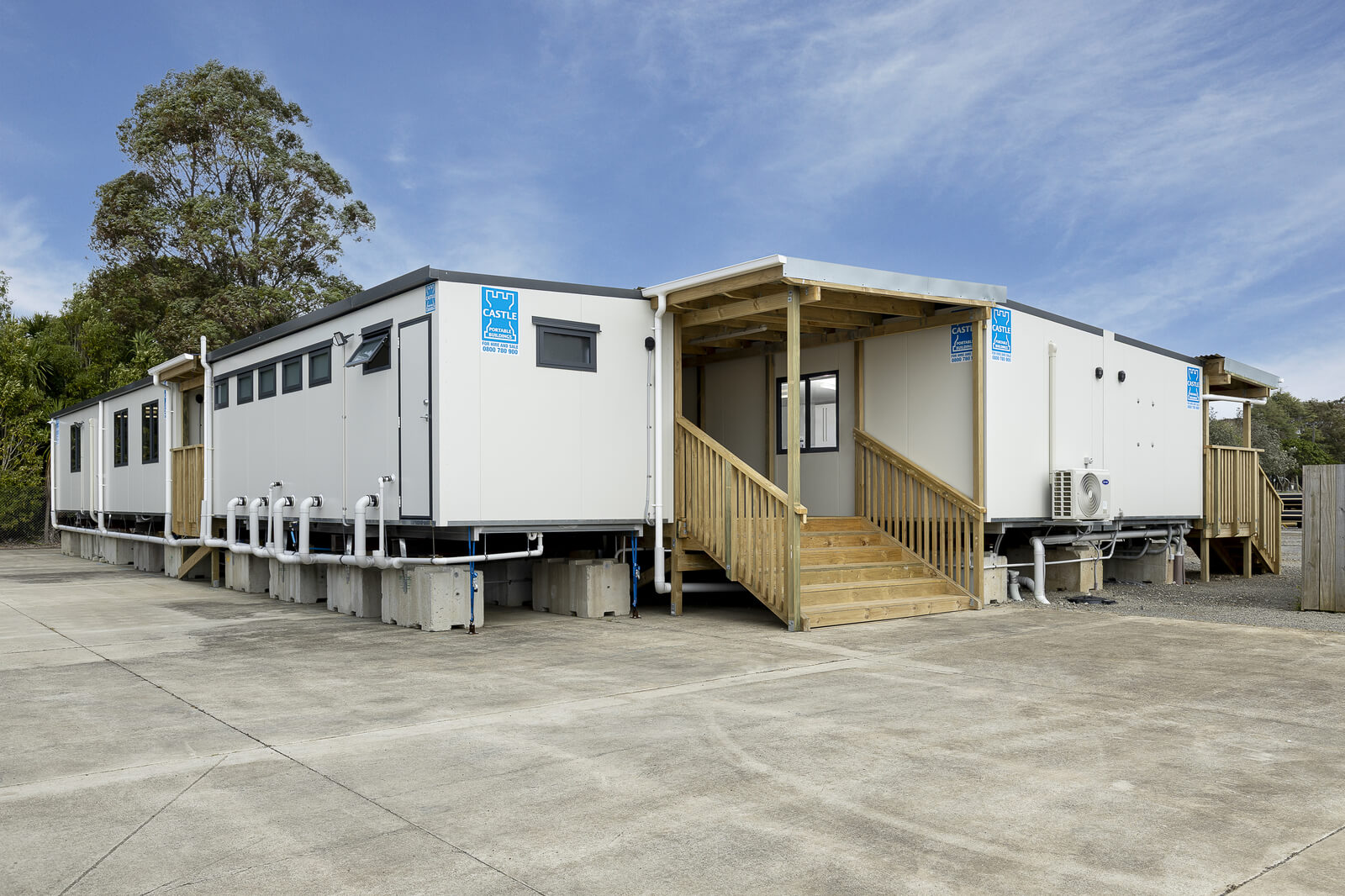
A portable cabin should not feel like a storage solution for people. It needs to operate as accommodation. That means enough space to sleep, move, store personal belongings, and live with dignity during the season.
Our portable cabins for RSE workers are designed for growers and seasonal employers who need practical accommodation solutions that can be delivered, arranged, and scaled around real workforce needs.
Why “Workers Per Cabin” Is The Wrong First Question
It is natural to ask how many workers can fit in a cabin, but the better question is:
How many workers can this cabin accommodate properly?
Those are very different questions.
Fitting people into a room is not the same as creating a compliant, manageable accommodation setup. The number depends on the full environment, including:
- sleeping space
- ventilation
- storage
- heating or cooling
- fire safety planning
- access to toilets and showers
- access to cooking and dining areas
- laundry and waste management
- privacy and general living comfort
A cabin may physically have enough floor space for several beds, but that does not automatically make it suitable for that number of RSE workers.
What RSE Accommodation Standards Generally Look At
RSE accommodation standards are there to make sure workers have suitable living conditions while they are in New Zealand. Employers need to make sure accommodation is arranged properly and meets the relevant expectations before workers arrive.
While every site should be checked against the latest Immigration New Zealand requirements, most accommodation planning comes back to a few practical areas.
Sleeping Areas
Sleeping spaces need to be suitable for the number of people staying there. This includes enough room for beds, safe movement, ventilation, and personal belongings.
The sleeping area should be separate from spaces used for cooking, bathrooms, or general site services. In plain terms, a kitchen area should not become a bedroom because the site is short on space.
Toilets And Washing Facilities
Workers need proper access to toilets, hand-washing, and bathing facilities. If cabins are used for sleeping only, the supporting facilities nearby become a key part of the overall setup.
That is why many growers pair cabins with portable toilet blocks and portable showers. It creates a clearer accommodation layout and avoids relying on improvised facilities that may not cope during peak season.
Cooking, Dining, And Break Areas
Workers also need suitable places to prepare food, eat, and spend time outside their sleeping area. If all daily living happens inside the same small cabin, the setup can become cramped quickly.
A dedicated dining or break space helps keep sleeping areas cleaner and more comfortable. On larger sites, a portable lunchroom can support better day-to-day living, especially when several workers are sharing the same accommodation area.
Laundry, Storage, And Daily Practicalities
Accommodation also needs to work practically over time. RSE workers are often staying for months, not days. That means you need to think about where clothing is stored, where wet gear goes, how laundry is handled, and how the site will stay tidy.
A setup that looks acceptable on day one can become difficult if there is not enough practical support around the cabins.
How Portable Cabins Help Growers Scale Accommodation
Portable cabins are popular for RSE accommodation because they are flexible. They can be added as workforce numbers grow, shifted between sites where appropriate, or arranged into accommodation clusters with shared facilities nearby.
That makes them useful for:
- orchards
- vineyards
- packhouse support sites
- rural worker accommodation
- seasonal accommodation expansion
- short to medium-term workforce housing
For many growers, buying cabins can also make sense if seasonal labour is part of the business every year. Our article on second-hand portable cabins for RSE workforce housing is useful if you are weighing up affordability and long-term use.
New, Used, Hire Or Buy Cabins?
The right option depends on your season length, budget, and future workforce plan.
Hiring Cabins
Hiring can suit growers who need temporary capacity for a defined season or are still working out long-term accommodation needs. It reduces upfront cost and gives flexibility if worker numbers change.
Buying Cabins
Buying often makes sense when you need accommodation year after year. A purchased cabin becomes a reusable asset that can support future seasons, be relocated where practical, or form part of a larger permanent accommodation plan.
Second-Hand Cabins
Second-hand cabins can be a smart option when budget matters but you still need a solid, practical building. The key is making sure the cabin condition, layout, and supporting facilities suit the intended use.
Our portable cabins for sale range is a good place to start if you are looking at longer-term accommodation planning.
Common Planning Mistakes To Avoid
A few problems come up regularly when RSE accommodation is planned too late.
Overcrowding The Cabin
Trying to fit too many people into one cabin creates comfort, privacy, and inspection problems. It is better to plan a realistic capacity from the beginning.
Forgetting The Facilities Around The Cabin
The cabin is only one part of the accommodation. Toilets, showers, kitchens, dining, laundry, waste, and outdoor access all matter.
Leaving Accommodation Until The Last Minute
Peak season comes quickly. Cabins, transport, setup, and supporting facilities all need lead time. Planning early gives you better options.
Treating Short-Term Housing Too Casually
Even if workers are only staying for a season, the accommodation still needs to be suitable. Temporary does not mean careless.
A Practical Way To Estimate Cabin Needs
Before choosing cabins, work through these questions:
- How many RSE workers are expected?
- How long will they stay?
- Will the cabins be sleeping-only or multi-use?
- Where will workers cook and eat?
- How many toilets and showers will be available?
- Is there enough space for laundry and storage?
- Can the accommodation be inspected easily?
- Will you need the cabins again next season?
Once those answers are clear, it becomes much easier to recommend the right number and type of portable cabins.
Talk To Us Before You Lock In The Layout
The number of workers per cabin should never be guessed. It should come from the cabin size, the layout, the facilities around it, and the standards the accommodation needs to meet.
If you are planning RSE accommodation, get in touch early. We can talk through the number of workers, the site layout, whether cabins should be hired or purchased, and what supporting facilities may be needed.
A good accommodation setup is easier to build when it is planned properly from the start.