
Portable Building Delivery And Installation NZ: What To Prepare Before Your Unit Arrives
Getting a portable building delivered should feel straightforward. The right unit arrives, it is positioned properly, services are connected if needed, and your site can start using it without delays. In reality, the smoothest deliveries usually happen because a bit of planning has been done before the truck turns up.
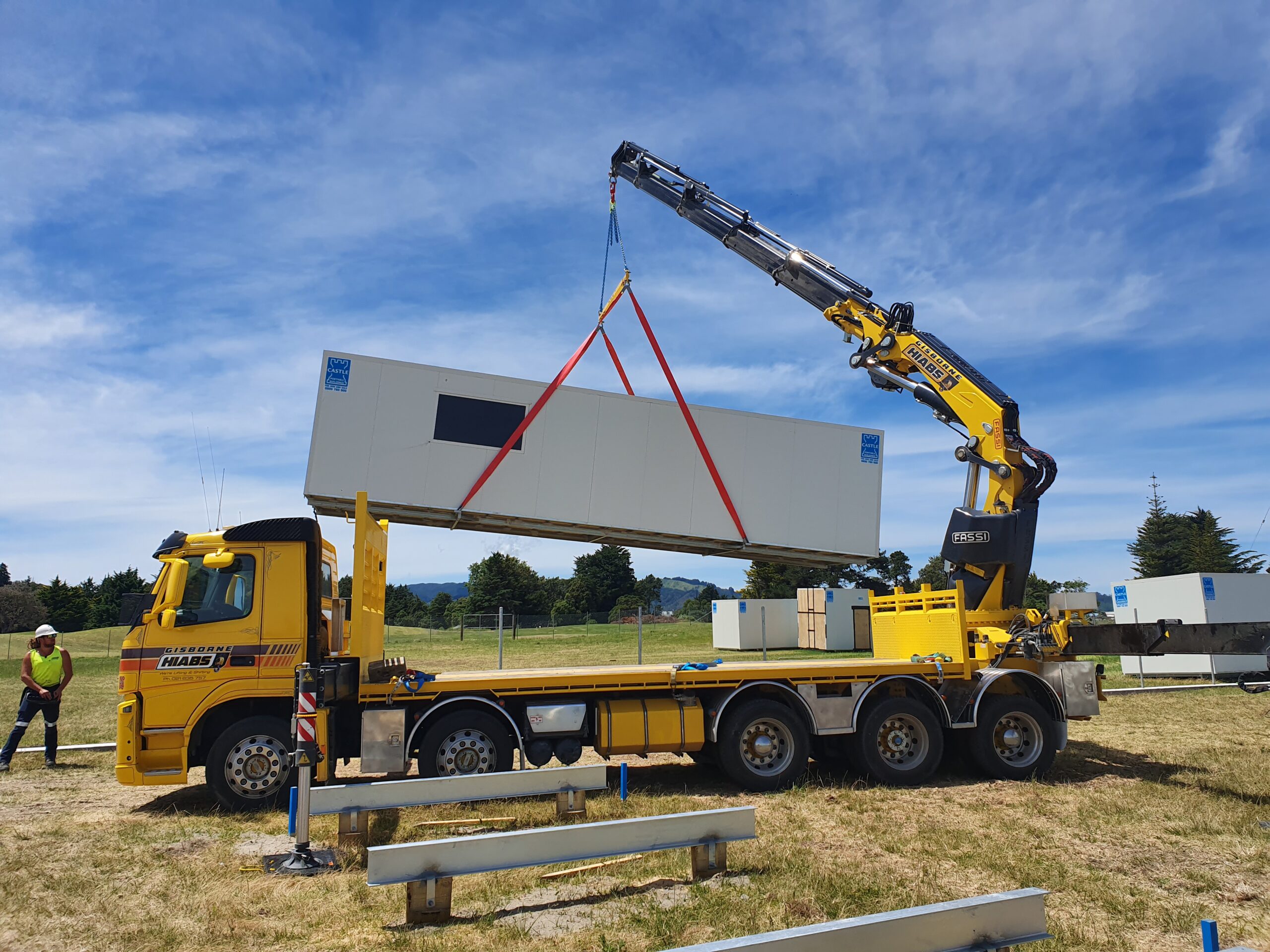
If you are organising a site office, lunchroom, toilet block, portable cabin, or a larger site setup, delivery preparation makes a big difference. A portable building is built to move, but it still needs suitable access, stable ground, clear placement, and the right information shared ahead of time.
If you are preparing for portable building delivery in New Zealand, here is what we recommend checking before your unit arrives.
Start With The Building’s Purpose
Before thinking about delivery, be clear about what the building needs to do on site. A portable office has different requirements from a toilet block, lunchroom, drying room, or accommodation cabin.
For example, a portable site office may need to sit close to the site entrance for visitors and subcontractors. A portable lunchroom may need to be positioned away from dust, vehicle movement, and noisy work areas. A toilet or shower unit may need water, waste, and service access.
The purpose of the building should guide where it goes, how it is accessed, and what services need to be considered.
Check Site Access Early
Access is one of the biggest factors in a smooth delivery. It is easy to measure the space where the building will sit, but forget about the route the truck needs to take to get there.
Before delivery day, check:
- driveway and gate width
- turning space for trucks
- overhead trees, signs, wires, and structures
- ground softness on the access route
- parked vehicles or stored materials blocking access
- nearby slopes or tight corners
If the site is restricted, let us know early. Photos, videos, or a quick site map can help us understand what we are working with. The sooner access issues are identified, the easier they are to plan around.
Tight urban sites, rural driveways, industrial yards, and active construction sites all come with different delivery challenges. The goal is to know those challenges before the unit is loaded.
Choose The Right Position On Site
The best position is not always the first empty space available. Think about how the building will be used every day.
For a site office, consider:
- visibility from the site entrance
- visitor access
- connection to the main work area
- privacy for meetings and paperwork
- safe separation from moving plant
For a lunchroom, think about:
- how far the crew needs to walk
- a clean and sheltered location
- access during wet weather
- space around the unit for breaks
For welfare facilities, such as portable toilet blocks, think about:
- easy access for workers
- service vehicle access
- privacy
- drainage
- connection requirements
A good position makes the building easier to use and easier to maintain.
Prepare Stable, Level Ground
Portable buildings need a stable base. If the ground is uneven, soft, or poorly drained, it can create problems with doors, windows, flooring, drainage, and general comfort.
Before delivery, check if the site needs:
- compacted hardfill
- timber blocking
- concrete pads
- levelled ground
- improved drainage
- clearance from mud or loose material
A building does not need a complicated setup in every situation, but it does need a sensible one. Ground that looks fine in dry weather can become difficult after rain, especially on new construction sites or rural properties.
If the unit will stay in place for longer, take extra care with the base. A bit of preparation at the beginning can save a lot of frustration later.
Allow Room Around The Building
The footprint of the building itself is only part of the space required. You also need room for safe access, doors to open, steps or ramps if needed, service access, and movement around the unit.
Make sure there is space for:
- entry and exit points
- steps, landings, or ramps
- workers moving around the building
- service or maintenance access
- drainage or waste connections
- future buildings if the site grows
This is especially important if you are planning a cluster of portable buildings. For example, a combo office and lunchroom unit may reduce the number of separate units needed, but it still needs to sit in a position where both sides function properly.
If the site may expand, leave room for the next stage rather than filling every available gap on day one.
Plan For Safety During Delivery
Delivery day needs to be managed like any other site activity. Trucks, lifting equipment, workers, and pedestrians should not be competing for the same space.
Before delivery, make sure:
- the drop-off area is clear
- unnecessary vehicles are moved
- workers know delivery is happening
- access routes are safe
- someone on site is available to meet the driver
- the placement area has been confirmed
On active construction sites, timing matters. Try to avoid delivery during the busiest part of the day or when heavy plant is operating in the same area. The more organised the site is when the truck arrives, the smoother the install will be.
Share The Right Information Beforehand
We can give much better advice when we know what the site looks like. Before delivery, it helps to provide:
- site address and contact person
- preferred delivery date
- photos of the access route
- photos of the placement area
- any known access restrictions
- building purpose
- service requirements
- ground preparation details
This is particularly helpful for regional, rural, or difficult-access sites. It also helps us identify if a standard delivery approach will work or if a more specific plan needs to be arranged.
Avoid Common Delivery Mistakes
A few issues come up regularly when site preparation is rushed.
Leaving Access Too Late
If the truck cannot get into position, everything slows down. Access should be checked before delivery is booked, not on the morning it arrives.
Choosing The Wrong Location
A building that is technically placed on site can still be awkward if it is too far from the work area, blocks future access, or sits in the path of vehicles.
Forgetting Service Connections
Power, water, waste, and drainage need to be thought through early. The building should be usable once it lands.
Underestimating Ground Conditions
Soft or uneven ground can cause problems quickly, especially after rain.
Not Planning For Growth
If you expect to add toilets, lunchrooms, cabins, or extra offices later, leave space for them from the start.
For broader planning around hire and purchase decisions, our Guide To Buying Or Renting In 2025 is a useful next read.
Good Preparation Makes The Whole Site Easier
A portable building should make your site easier to run. That only happens when the delivery and installation are planned properly.
If you are organising a site office, lunchroom, toilet block, accommodation cabin, or a wider portable building setup, talk to us early. We can help you think through access, placement, services, ground preparation, and how the building will actually be used once it arrives.
The earlier those details are sorted, the better the result. A well-prepared site means fewer delays, fewer surprises, and a portable building that can start doing its job from day one.