
How Portable Buildings Inside Existing Buildings Unlock Hidden Space
A lot of New Zealand businesses are sitting on unused space without realising it. Warehouses, factories, workshops, distribution centres, and large commercial buildings often have plenty of internal volume, but very little practical separation. The floor area gets used for stock, machinery, or workflow, while the airspace above and the open footprint around it go underused.
That is where portable buildings inside existing buildings can make real sense.
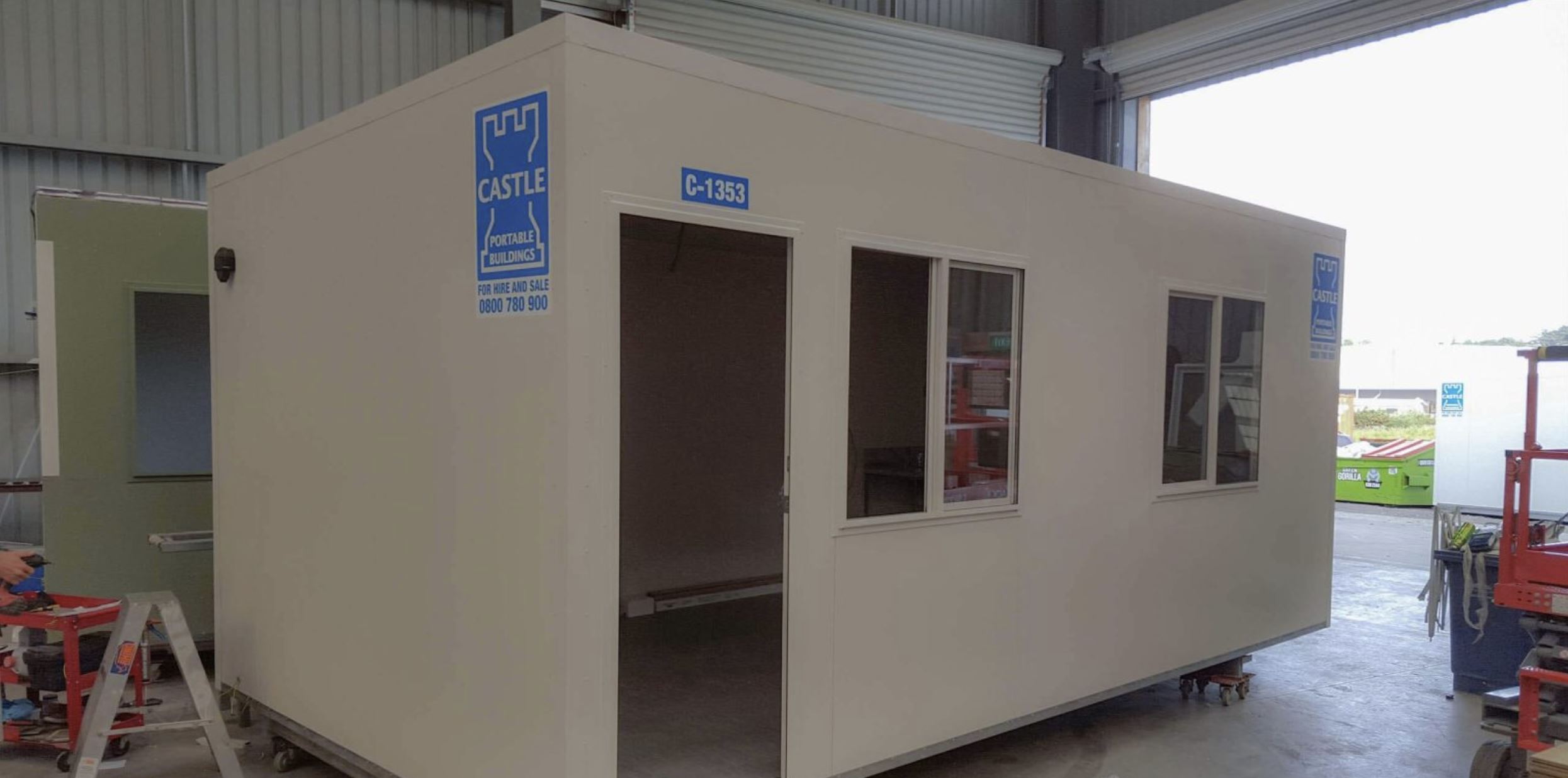
Instead of extending externally or committing to a major internal fit-out, businesses can introduce a self-contained portable structure within the building they already have. It is a practical way to create office space, lunch areas, meeting rooms, welfare facilities, storage zones, or controlled-use rooms while making better use of the space already available.
For growing businesses, fast-moving operations, or sites that need flexibility, this approach can unlock real value.
What Do We Mean By A Building Inside A Building?
In simple terms, it means placing a portable building within a larger permanent structure. That larger building might be a warehouse, a factory, a high-stud workshop, a transport depot, or a large commercial shed.
The portable structure sits inside the shell of the main building and creates a defined internal room or set of rooms without needing full traditional construction. Depending on the site and use, this can become:
- a site office
- a supervisor’s office
- a meeting room
- a lunchroom
- a changing area
- an internal welfare hub
- a controlled workspace
It is a smart solution because it allows you to create usable rooms where there was previously only open floor area.
Why This Approach Works So Well In NZ
Across New Zealand, there are plenty of industrial and commercial buildings with generous internal space but limited finished rooms. Businesses often grow faster than the building layout was designed for. A warehouse that started with one desk in the corner can suddenly need proper admin space, private meetings, staff amenities, or a separate operations room.
A portable building solves that problem quickly.
Rather than interrupting operations with a full internal construction programme, you can introduce a purpose-built structure that gives you the room you need with less disruption and much better flexibility. If your needs change later, the setup can change with you.
That is one of the reasons portable solutions continue to appeal to businesses that value practicality and speed.
The Hidden Space Most Businesses Miss
When people think about space, they usually think about footprint first. But in many industrial or commercial environments, the issue is not always a lack of building size. It is a lack of defined internal use.
Open-plan industrial space is useful, but it does not automatically give you:
- privacy
- noise separation
- temperature control
- staff comfort
- secure admin space
- dedicated meeting areas
This is where a portable office building or internal room setup can make a big difference. It turns empty volume into a functional workspace without forcing the whole building to change around it.
Common Situations Where It Makes Sense
Warehouses That Need Office Space
Warehouses often start with operations in mind, not admin. Over time, that changes. Supervisors need somewhere to work. Dispatch teams need paperwork space. Meetings need privacy. A portable building inside the warehouse creates that separation while keeping the team close to operations.
Workshops That Need A Cleaner, Quieter Room
Busy workshops can be noisy, dusty, and constantly moving. If you need a quiet space for planning, compliance, calls, or quoting, a self-contained internal office can give you that without taking the whole site offline for construction.
Staff Welfare Areas In Industrial Buildings
Lunch areas and break spaces matter. If the current setup is makeshift or spread across corners of the building, a proper portable lunchroom creates a cleaner, more practical staff area and improves the daily experience for the team.
Temporary Growth Space
Sometimes the need is immediate, but not necessarily permanent. If a business is scaling quickly, taking on a larger contract, or testing a new internal layout, a portable building gives breathing room without locking you into a fixed long-term change.
Why Portable Makes Sense Instead Of Traditional Internal Construction
Faster Turnaround
A portable building is far quicker to bring into service than planning a full internal build from scratch. For many businesses, speed matters because the need is already there.
Less Disruption To Daily Operations
Traditional fit-outs can affect noise levels, workflow, access, and health and safety on active sites. Portable buildings can often reduce that disruption significantly.
Flexibility Later
If your layout changes, your staffing changes, or you move sites, a portable solution gives you options. That flexibility is a major benefit for businesses that do not want to overcommit too early.
Better Cost Control
A portable solution can offer clearer cost control than a more complex internal build programme, especially where the goal is practical space creation rather than major architectural alteration.
This is one reason our blog on buying or renting portable buildings in NZ continues to resonate with businesses trying to make sensible decisions about space.
What Sort Of Portable Building Works Best Inside An Existing Building?
That depends on what the space needs to do.
If the priority is admin, coordination, or meetings, a site office is often the best fit.
If the aim is staff comfort and welfare, a lunchroom or even a combo office and lunchroom unit may be the smarter layout.
If the business needs a bespoke internal setup, then a tailored design may be the right path. The key is matching the building to real-world use.
A Smarter Way To Use What You Already Have
A lot of businesses assume that if they need more rooms, they need a larger area or a major renovation. That is not always true. In many cases, the answer is already within the building they have.
Portable buildings inside existing buildings give you a way to unlock hidden value from your current footprint. They create practical rooms, support better workflow, improve staff facilities, and help businesses adapt without overcomplicating the process.
If you are looking around your warehouse, workshop, or industrial building and thinking there should be a better way to use the space, there probably is. Talk to us about what you need, how the building works today, and what kind of room or internal setup would make the biggest difference. We can help you turn unused space into something genuinely useful.