
Portable Meeting Rooms For NZ Worksites: When A Dedicated On-Site Meeting Space Makes Sense
On many worksites, the meeting space is whatever happens to be available at the time. Sometimes it is the site office with two extra chairs squeezed in. Sometimes it is the lunchroom before smoko. Sometimes it is outside beside the ute if the weather behaves. That might work for a day or two, but once a project gets moving, those makeshift arrangements usually start to show their limits.
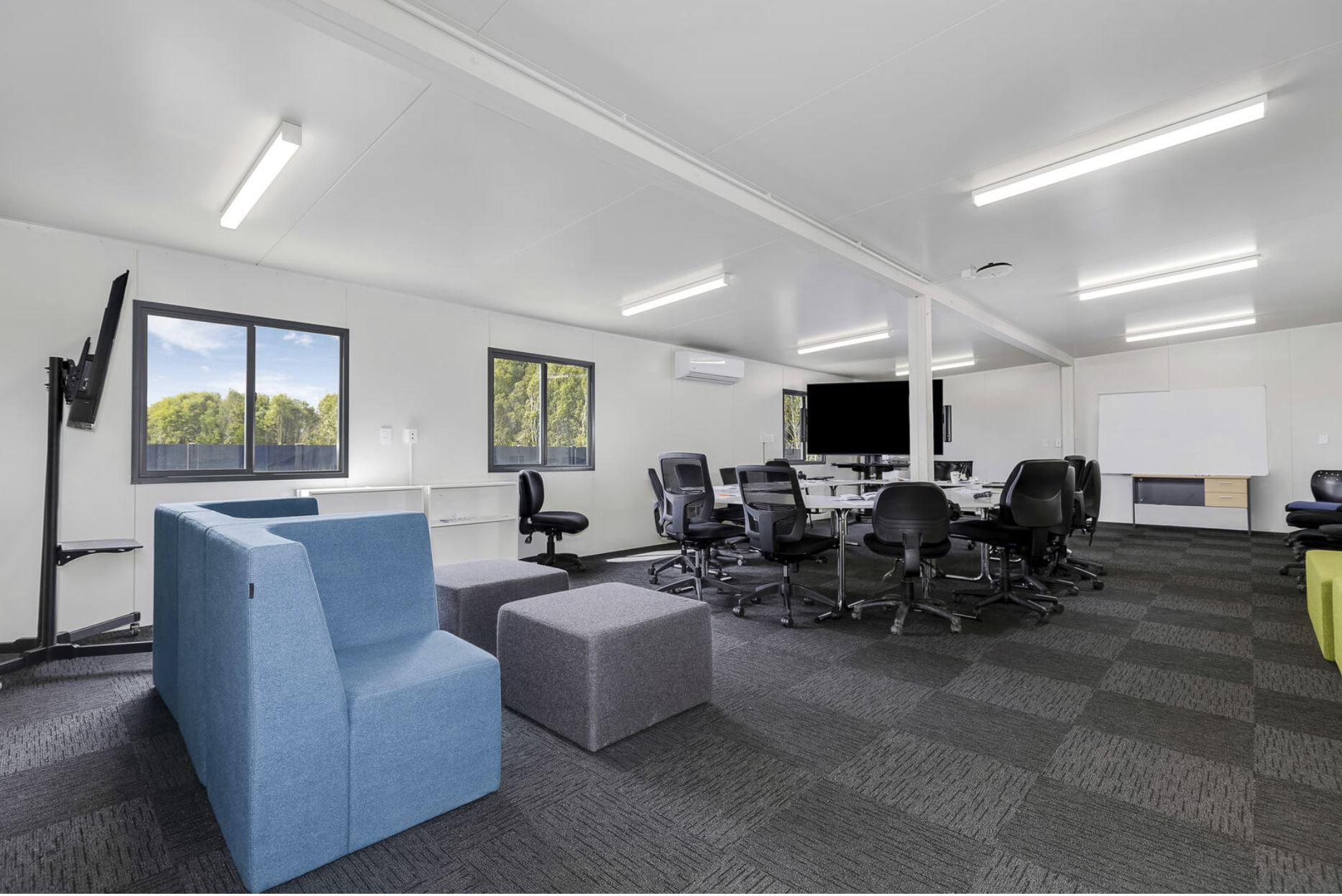
A dedicated portable meeting room gives a site something a lot of teams do not realise they are missing until they have it. It creates a proper place for inductions, toolbox talks, client meetings, planning sessions, private conversations, and paperwork that should not be handled in the middle of daily site noise.
Why Shared Spaces Start To Create Friction
The biggest issue with using a standard site office or lunchroom for everything is that both spaces already have a job to do.
A site office needs to function as a working base. Plans are reviewed there. Calls are taken there. Site admin gets handled there. Supervisors need it available during the day, especially when the site is moving quickly.
A lunchroom has a different role. It is there so the crew can step away from the job, eat properly, sit down somewhere clean, and get out of the weather for a while.
Once both of those spaces start doubling as meeting rooms, the workflow gets messy. Meetings interrupt admin. Break times clash with inductions. Important conversations get rushed because the room is needed for something else. That is usually the point where a dedicated meeting room starts to make sense.
What A Portable Meeting Room Actually Solves
A portable meeting room is not about making the site look more polished. It is about making the site easier to operate.
It gives you a clear, usable space for:
- client and subcontractor meetings
- health and safety inductions
- toolbox talks in poor weather
- supervisor planning sessions
- private HR or staffing conversations
- permit and compliance discussions
- project reviews away from the live work area
That separation matters. When the meeting space has its own purpose, the site office can stay focused on site management and the lunchroom can stay available for the crew.
For many projects, that one change improves the site rhythm immediately.
Which Sites Benefit Most From A Dedicated Meeting Room?
Some jobs can manage with a simple office and lunchroom setup. Others outgrow that arrangement very quickly.
A portable meeting room is often worth considering on:
Larger Construction Sites
Once multiple teams, subcontractors, consultants, or clients are moving through the site, a dedicated room becomes much easier than trying to borrow desk space every time a meeting needs to happen.
Civil And Infrastructure Projects
These jobs often involve regular coordination, safety briefings, and operational planning. A separate meeting room creates a practical place to handle those discussions properly.
High-Compliance Worksites
If inductions, safety documentation, or visitor meetings are frequent, a quiet, enclosed room can make that whole process more professional and more efficient.
Remote Or Regional Projects
Where weather and site conditions are unpredictable, having an enclosed meeting room on hand is extremely useful. It gives the team a dependable space without relying on temporary workarounds.
Is It Better Than Expanding The Site Office?
Sometimes yes, sometimes no.
If your office team is growing and the daily working space is already too small, then a larger portable site office might be the right answer.
But if the office itself is functioning well and the real issue is that meetings keep taking over the room, then a dedicated portable meeting room usually works better. It solves the actual bottleneck instead of just increasing the size of a multi-use space.
This is the same logic that often drives decisions around a combo office and lunchroom unit. The question is not only how much space you have. The question is whether each space is doing too many jobs at once.
Practical Benefits Most People Notice Quickly
When a dedicated meeting room is added to site, the benefits are usually obvious within the first week.
Better Use Of The Office
The site office stays available for actual office work. That means fewer interruptions, less clutter, and a more consistent place to manage the day-to-day running of the job.
Better Use Of The Lunchroom
The lunchroom remains a welfare space for the crew. It does not need to be cleared out for inductions or meetings right when people are trying to take a break.
Better First Impression
A dedicated room gives clients, visitors, inspectors, and subcontractors somewhere appropriate to sit down. It presents the site as organised and professional without making things feel overbuilt.
Better Privacy
Some conversations are simply not suited to the lunch table or the middle of a busy office. Staffing issues, contract discussions, and safety matters are easier to handle in a proper room.
Hire Or Buy?
This depends on how often you will need the space and how long the project is running.
Hiring is often the better choice if:
- the project has a fixed timeline
- the room is only needed for one site
- you want flexibility without a larger upfront cost
Buying tends to make more sense if:
- your business regularly runs larger sites
- you know the building will be reused across future projects
- you want a long-term portable asset in your site setup
What Should Sit Around The Meeting Room?
This is where planning matters. A meeting room usually works best as part of the wider site setup, not as a standalone decision.
For example, it often pairs well with:
- a portable lunchroom for crew breaks
- a portable toilet block for site welfare
- a site office or split office unit nearby for administration
When these pieces are considered together, the site usually feels more coherent and more practical from the start.
When A Dedicated Meeting Room Is Probably Worth It
As a simple test, ask yourself this:
Are meetings regularly interrupting the office or lunchroom?
If the answer is yes, then you are already feeling the need for a dedicated room. If the site is growing, if site visitors are frequent, or if safety and planning conversations are becoming harder to run properly, it is usually a sign that the shared-space setup has reached its limit.
A portable meeting room does not need to be complicated to be useful. It just needs to give the site a proper place for the conversations that matter.
Talk To Us Before You Finalise The Site Layout
If you are planning a worksite and trying to decide whether you need a separate meeting room, get in touch early. A quick conversation about your crew size, workflow, visitor traffic, and site footprint usually makes the answer much clearer.
Sometimes the right move is a larger office. Sometimes it is a combo unit. Sometimes it is a dedicated portable meeting room that takes pressure off the rest of the site.
We will help you work out which setup actually suits the way the project will run.