Portable Shower Blocks For NZ Worksites: Planning Proper Washing Facilities For Your Crew
Some worksites can operate with basic toilets and a lunchroom. Others need proper washing facilities because the work leaves crews covered in dust, mud, grease, chemicals, paint, or other site contaminants.
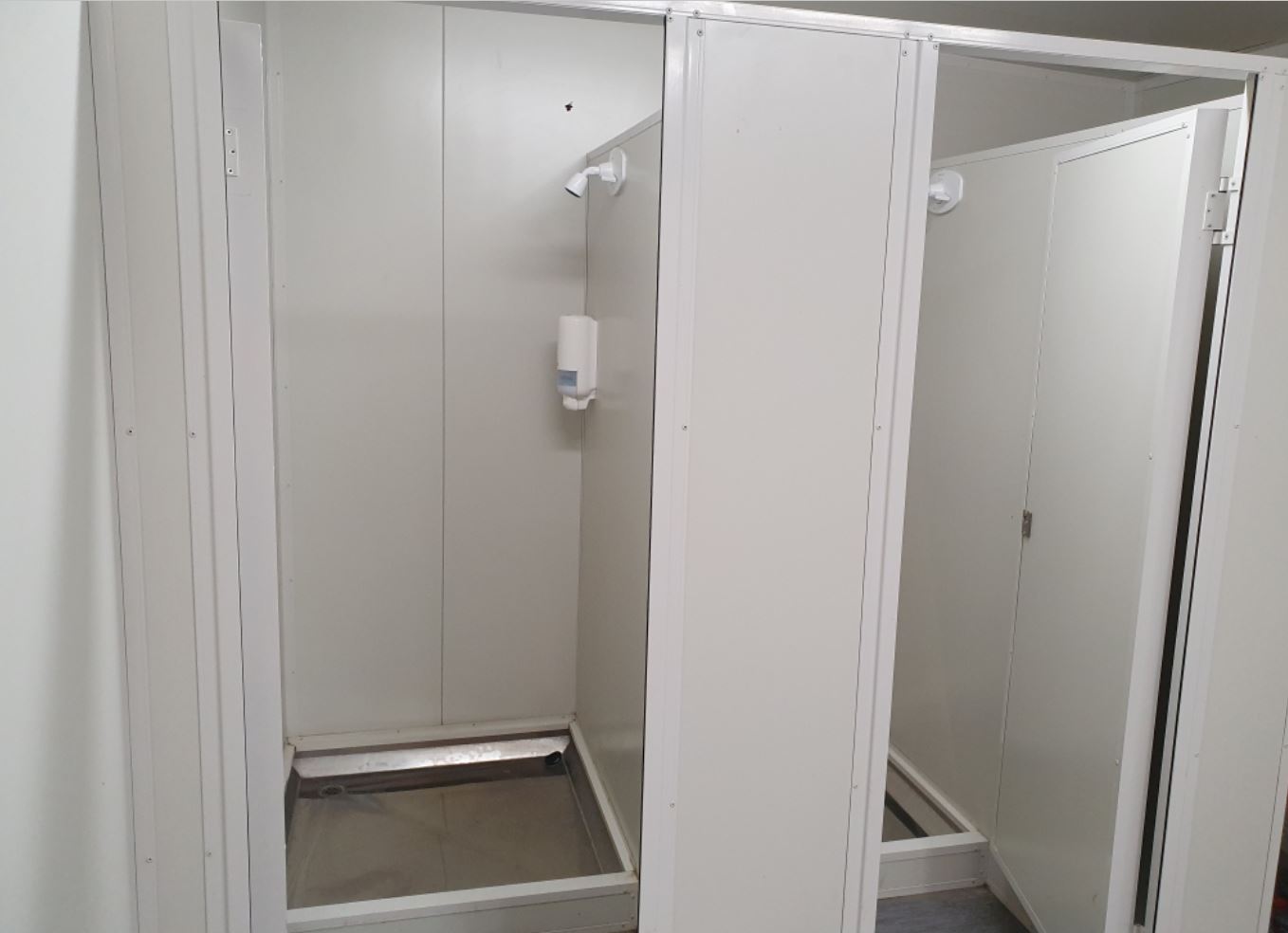
Portable shower blocks give workers a practical place to wash before travelling home, entering shared accommodation, or moving into clean staff areas. They are especially useful on construction, civil, industrial, forestry, rural, infrastructure, and remote worksites where permanent facilities are unavailable or make little sense for the project timeline.
We help businesses plan portable facilities around the way their sites operate. When showers are needed, the best results come from thinking about worker numbers, water supply, drainage, placement, cleaning, and the facilities around the shower block before the crew arrives.
When Does A Worksite Need Shower Facilities?
Portable showers are worth considering when workers regularly finish the day wet, dirty, or exposed to materials that should not be taken into vehicles, accommodation, or homes.
Common examples include:
- civil and earthworks projects
- forestry and rural operations
- industrial maintenance
- painting and coating work
- infrastructure projects
- demolition and remediation
- muddy winter worksites
- remote projects with overnight accommodation
- seasonal worker facilities
Start With Worker Numbers And Shift Patterns
The number of workers on site is important, but it does not tell the full story. You also need to know when people will use the showers.
If an entire crew finishes at the same time, demand will peak within a short window. A smaller workforce spread across several shifts may place less pressure on the facilities, even if the total number of workers is similar.
Before choosing a shower setup, consider:
- the maximum number of workers on site
- the number of people finishing at once
- shift start and finish times
- the length of the project
- seasonal workforce changes
- separate facility requirements
- the time available between users
Plan Water Supply And Drainage Early
A portable shower block still needs water coming in and wastewater going out. These services need to be planned before delivery, rather than worked out once the unit is already in position.
Key questions include:
- Is there a reliable water supply on site?
- Is the available water suitable for washing?
- How will hot water be provided?
- Where will wastewater go?
- Is a holding tank required?
- Can service vehicles reach the unit?
- Will cold conditions affect exposed pipes?
Our portable shower blocks can support worksites that need dedicated washing facilities, but the surrounding service setup remains a major part of the plan.
Choose A Practical Location
Shower blocks should be easy for workers to reach without sitting in the middle of vehicle routes, loading zones, or active work areas.
A good location should provide:
- safe pedestrian access
- privacy
- stable and level ground
- water and waste connections
- drainage around the unit
- service and maintenance access
- nearby lighting
- separation from dust and machinery
If the showers support accommodation cabins, it makes sense to place them within convenient walking distance. If they are part of a construction welfare area, they may sit close to toilets, changing facilities, or a drying room.
Avoid placing showers at the lowest point of a muddy site. Poor surface drainage around the entrance can undo much of the benefit of providing a clean washing facility.
Pair Showers With Toilets And Hand-Washing Facilities
Showers usually form one part of a broader welfare setup. Crews still need toilets, hand basins, places to change, and clean areas for breaks.
A portable toilet block can sit alongside the shower facility to create a clearer amenities zone. This is often easier to clean, inspect, and service than spreading individual facilities around the site.
Planning toilets and showers together can also simplify:
- plumbing routes
- wastewater management
- cleaning schedules
- lighting
- pedestrian access
- service vehicle access
Think About Changing, Storage And Wet Gear
A shower is only part of the process. Workers also need somewhere to remove dirty clothing, store clean items, dry off, and manage boots or wet gear.
Without enough changing and storage space, clean shower areas can quickly become cluttered.
Consider providing space for:
- benches
- hooks
- lockers or personal storage
- clean and dirty clothing separation
- towel storage
- boot storage
- drying wet workwear
A portable drying facility may also be useful on sites where rain, mud, or heavy protective clothing are part of daily work. This keeps wet gear out of lunchrooms, offices, and accommodation cabins.
Support Crew Comfort With A Proper Break Area
Workers should have somewhere clean to go after washing. A portable lunchroom creates a separate place for meals and breaks, away from changing areas and dirty work gear.
This separation matters on sites where crews deal with dust, paint, oils, mud, or other materials that should stay away from eating spaces.
A practical welfare layout may include:
- toilets and showers in one amenities area
- storage or changing facilities nearby
- a lunchroom in a clean zone
- a site office positioned separately
- clear walking routes between buildings
The result is a site that feels easier to use because every building has a defined purpose.
Shower Facilities For Worker Accommodation
Portable showers are also important when cabins are used for seasonal, rural, or remote worker accommodation.
Sleeping cabins alone do not create a complete accommodation setup. Workers need suitable toilets, washing facilities, meal areas, laundry options, and storage around them.
Our portable cabins for RSE workers can form part of a wider accommodation plan, with shower blocks and shared facilities positioned nearby.
For employers planning seasonal accommodation, worker numbers and peak shower demand need careful thought. Early mornings and the end of the workday can create pressure if too many people are relying on too few facilities.
Keep Cleaning And Maintenance Manageable
Shower blocks need regular cleaning, inspection, and restocking. The busier the site, the stronger the cleaning plan needs to be.
Site managers should consider:
- cleaning frequency
- soap and consumable supplies
- drainage checks
- hot water performance
- ventilation
- slip risks
- damage reporting
- access for repairs
A well-maintained facility supports worker confidence. A neglected one quickly becomes unpleasant and may stop being used properly.
Hire Or Buy A Portable Shower Block?
Hiring often suits short projects, seasonal operations, and temporary accommodation sites. It gives you access to the facilities for the required period without creating a long-term storage commitment.
Buying can make sense for businesses that regularly operate remote sites, manage recurring seasonal work, or move facilities between ongoing projects.
Our guide to buying or renting portable buildings in New Zealand explains the wider factors behind that decision.
Give Your Crew Facilities That Suit The Work
Portable shower blocks are a practical answer when worksite conditions make proper washing facilities necessary. They help crews clean up, manage wet or dirty workwear, and keep contamination away from vehicles, break rooms, and accommodation.
The right setup depends on worker numbers, usage times, water supply, wastewater planning, placement, and the wider welfare facilities on site.
Talk to us early if your project needs showers, toilets, lunchrooms, cabins, or a complete portable welfare setup. We can help you plan facilities that suit the crew, site conditions, and project timeline from the beginning.