Portable Site Office Guide NZ: Hire Vs Buy, Sizes And Setup Tips
A good site office makes a busy project easier to manage. It gives your team a dry, practical space to plan the day, store paperwork, charge devices, meet with clients, and step out of the weather when the site is under pressure. On some jobs, it becomes the hub everything runs through. On others, it is a calm, reliable base in the middle of the chaos.
We speak with project managers, builders, civil crews, event organisers, and business owners who all want the same thing: a workspace that arrives on time, works as expected, and fits the site without creating extra hassle. The biggest questions usually come down to hiring or buying, choosing the right size, and getting the site ready so installation goes smoothly from day one.
This guide breaks it all down in plain terms. If you are comparing options for a portable site office in New Zealand, here is what you need to know before making the decision.
Why Portable Site Offices Make Sense
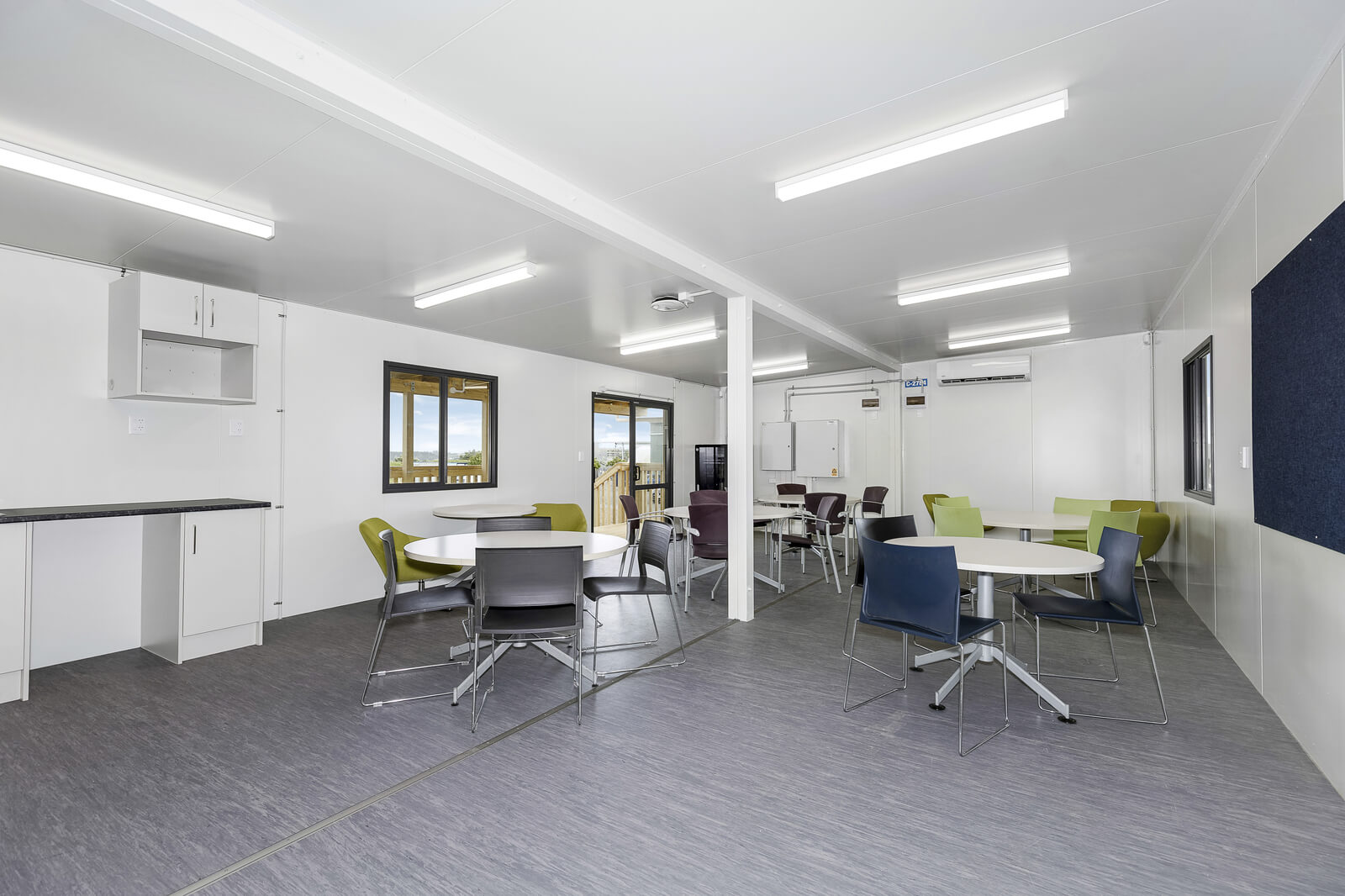
Portable site offices solve a very real problem. Most projects need an operational base, but building something permanent takes time, costs money, and often makes no sense if the work is temporary. A portable office gives you that workspace straight away.
For construction and infrastructure projects, it can be used for:
- site supervision
- meetings and inductions
- plans, paperwork, and compliance records
- secure storage for laptops, chargers, and small gear
- a quiet space for calls and admin
For events, rural projects, and remote works, it gives you a proper workspace without waiting on traditional construction.
That flexibility is why so many New Zealand sites rely on portable site offices. They are quick to deliver, easy to position, and practical across a wide range of industries.
Hire Vs Buy: Which One Makes More Sense?
This is usually the first question, and the honest answer is that it depends on how long you need the building and what happens after the job ends.
When Hiring Makes Sense
Hiring is the better option when the project is short term, uncertain, or likely to change.
You might be better off hiring if:
- the job has a fixed timeline
- you only need the office for one site
- you do not want to store or transport the building later
- cash flow is more important than ownership right now
- you want a fast solution without a large upfront cost
For many construction jobs, this is the most practical path. The office arrives, you use it for the duration of the project, and when the job wraps up, it goes back. That simplicity appeals to a lot of clients.
Hiring also works well when the office is part of a broader temporary setup. You might combine it with a portable toilet block or a portable lunchroom to create a full site welfare solution for the crew.
When Buying Makes Sense
Buying usually becomes the smarter move when you know you will need the building again and again.
You might be better off buying if:
- you run ongoing projects across multiple sites
- your team regularly needs an on-site office
- you want to customise the fit-out
- you have room to store the building between jobs
- you want a long-term asset rather than an ongoing hire cost
For contractors or businesses with a steady pipeline of work, ownership often stacks up well over time. Once the upfront spend is out of the way, the office becomes part of your operating setup. You can move it from job to job, adjust the layout, and get long-term value from the same building.
If you are still weighing up the pros and cons, our article on buying or renting a portable building in NZ is a good place to start.
Choosing The Right Size
Go too small and the office becomes cramped, cluttered, and frustrating to use. Go too large and you may spend more than you need to, or struggle with placement on a tight site.
The right size usually comes down to three things:
- how many people will use it
- what furniture or equipment needs to fit inside
- how much room the site allows for delivery and setup
Have a look at our site office range, there are several common sizes that suit different uses.
Small Offices
A compact office suits jobs where one or two people need a clean, secure place to work. These are a good fit for:
- residential builds
- small commercial sites
- temporary admin space
- gate or check-in functions
Mid-Sized Offices
Once the site gets busier, a larger office starts to make sense. These can accommodate:
- multiple desks
- a meeting table
- plans and document storage
- daily site coordination
Larger Or Multi-Use Units
For bigger projects, you may need something with multiple zones. That is where split layouts and larger footprints become useful.
A combo office and lunchroom unit can be a particularly smart option if you want to keep the admin side and staff break area together while saving space on site. These work well where the room is tight but you still need separate functions under one roof.
Setup Tips Before Delivery Day
1. Check Access Properly
Make sure the delivery truck can get where it needs to go. Look at:
- gate width
- driveway clearance
- overhead trees or lines
- turning space
- any soft or uneven access points
This gets missed surprisingly often. The office itself might fit perfectly in the chosen spot, but the truck still needs enough access to place it.
2. Prepare A Level Base
Portable site offices need stable, level ground. If the base is poor, you can create issues with doors, windows, flooring, and long-term wear.
Depending on the site, this could mean:
- compacted hardfill
- timber blocking
- concrete pads
- other stable support points
The best approach depends on the office size and how long it will stay in place.
3. Think About Services Early
If the office needs power, internet, nearby toilets, or access to a lunch area, plan those details before the office arrives.
This is also why many clients combine buildings into one setup. Pairing a site office with a portable lunchroom or portable toilet block creates a much more functional site from the start.
4. Plan For How The Space Will Be Used
Do not wait until after delivery to think about layout. Decide in advance:
- where desks will go
- where plans and documents will be stored
- where chargers and equipment will sit
- whether you need room for meetings
- whether visitors will enter the office regularly
Common Mistakes We See
Choosing Based On Price Alone
The cheapest option is not always the best value. If the size is wrong, the layout is awkward, or the building does not suit the length of your project, you often end up paying for that decision later.
Hiring When You Really Need To Buy
If your team is constantly hiring the same type of office over multiple jobs, it may be time to look seriously at ownership.
Buying Without Thinking About Storage
Owning a site office is useful, but you do need a plan for where it goes between projects and how it gets moved.
Underestimating Future Needs
A project can grow quickly. What feels like enough office space at the beginning may become too tight once extra staff, consultants, or paperwork are involved.
What We Usually Recommend
If the project is short, fixed, and straightforward, hiring is usually the easy answer.
If the project pipeline is strong and you know the office will be used again, buying often makes better long-term sense.
If the site is tight and the crew also needs a break area, a split office and lunchroom layout can be a smart solution.
If welfare facilities are still being sorted, think about the office as part of the full setup rather than as a standalone item. Sites run better when the office, toilets, and lunchroom have all been considered together.
Talk To Us Before You Decide
The best portable site office setups start with a quick upfront conversation. Once we understand how long the job will run, how many people will use the space, what site access looks like, and whether you are leaning towards hire or buy, we can point you in the right direction. If you are unsure about size, layout, or the best option for your budget, get in touch and we will help you choose a setup that suits your site, supports your project, and makes the job easier.
Get In Touch
