
Remote Worksite Facilities NZ: Portable Buildings Where Permanent Buildings Do Not Make Sense
Remote worksites come with a different set of problems. The location may be hard to reach, the ground may be rough, services may be limited, and the job may only run for a fixed period. Building permanent facilities in those conditions often creates cost, delay, and long-term commitment that the project does not need.
That is where portable buildings make sense.
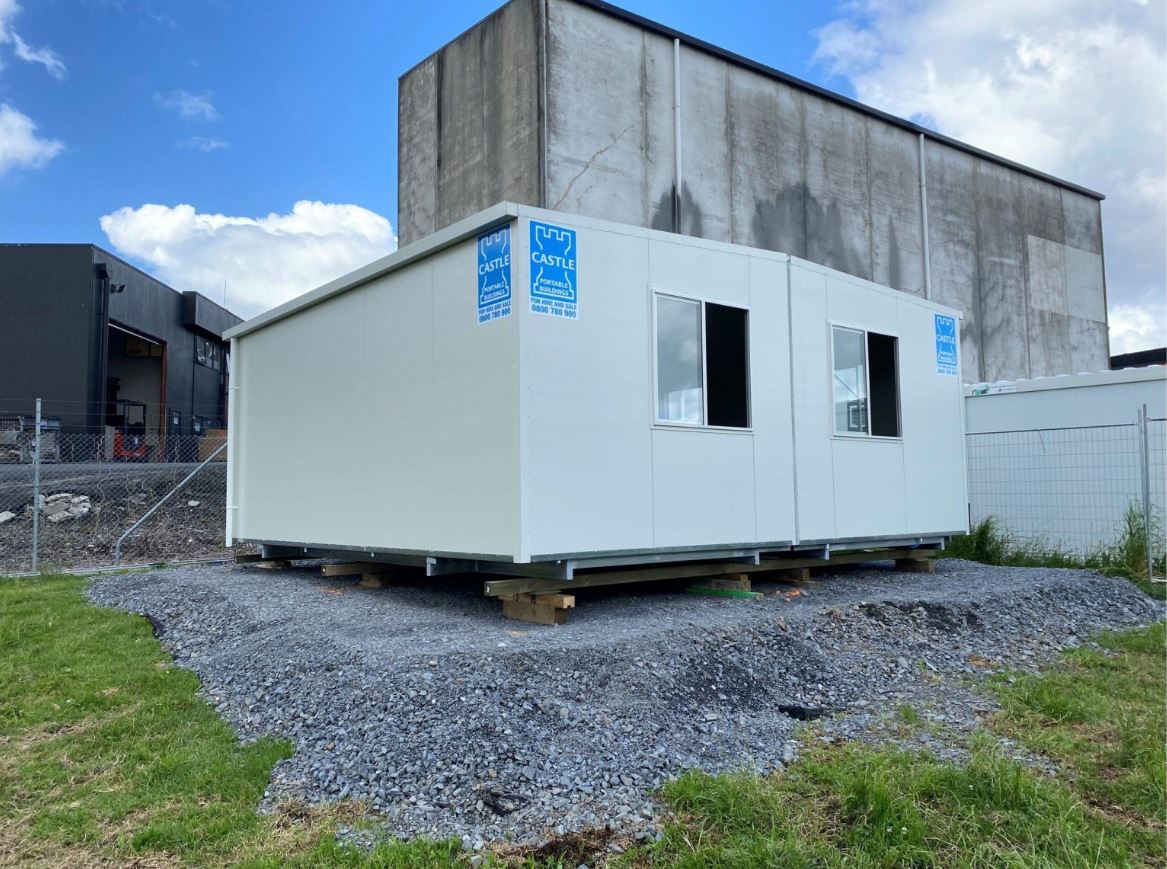
For rural projects, civil works, roading crews, forestry operations, infrastructure upgrades, seasonal works, and remote commercial sites, portable buildings give teams practical facilities without locking the site into a permanent build. They can be delivered, positioned, used for the length of the job, then removed or moved when the work changes.
We see this often across New Zealand. The project needs an office, toilets, a lunchroom, storage, or accommodation, but the site itself does not justify permanent construction. A portable setup gives the crew what they need now, without overcomplicating the future.
Why Remote Worksites Need A Different Approach
Remote sites are rarely simple. They often have limited access, fewer nearby services, longer travel times, and tighter windows for delivery. A decision that would be easy on an urban construction site can become much harder on a rural or isolated site.
Common remote worksite challenges include:
- limited power or water access
- long distances from town
- rough or uneven ground
- changing crew numbers
- temporary project timelines
- limited shelter
- fewer nearby toilets or break facilities
- longer response times for servicing and maintenance
These conditions make planning important. You cannot always rely on nearby facilities, and it is not practical to send workers off site every time they need a toilet, lunch break, meeting space, or dry shelter.
Portable buildings help create a self-contained base where the team can work, rest, and manage the job properly.
Site Offices For Remote Project Management
A remote worksite still needs structure. Plans need to be checked, records need to be kept, staff and subcontractors need to be briefed, and someone needs a clean space to manage the day.
A portable site office is usually one of the first buildings to consider. It gives the site manager, supervisor, or administration team a proper workspace close to the job.
On remote worksites, a site office can be used for:
- daily planning
- safety briefings
- paperwork and compliance records
- visitor sign-in
- radios, chargers, and small equipment
- weather protection
- meetings with contractors or clients
Without a proper office, a ute or shed often becomes the default workspace. That might work for a day or two, but it quickly becomes frustrating when the project grows or weather turns.
Toilets And Washing Facilities Cannot Be An Afterthought
Remote locations usually have no nearby facilities to fall back on. That makes toilets and washing facilities one of the most important parts of the site setup.
A portable toilet block gives workers a cleaner, more organised option than makeshift arrangements. It also helps the site feel better managed, especially when teams are spending long days away from town.
For remote work, placement matters. Toilet blocks need to be close enough for workers to use easily, but they also need service access. Waste, water, cleaning, and maintenance all need to be thought through before the unit arrives.
If the work is dirty, wet, or physically demanding, shower facilities may also be worth planning. A remote site without washing options can become uncomfortable quickly, especially for crews working in mud, dust, forestry, agriculture, civil works, or infrastructure maintenance.
Lunchrooms And Shelter For Long Days On Site
A proper break space can make a major difference on a remote project. Workers may be a long way from cafes, shops, vehicles, or permanent staff facilities. They need somewhere dry, sheltered, and practical to stop for lunch and reset during the day.
A portable lunchroom gives crews a dedicated break area instead of relying on vehicles or temporary cover. It also helps keep the site organised because eating, resting, and staff storage can be kept separate from active work zones.
For remote sites, this can be especially useful during:
- bad weather
- long workdays
- early starts
- seasonal work
- infrastructure projects
- forestry and rural operations
- construction in undeveloped areas
Accommodation Cabins For Jobs Away From Town
Some remote projects need facilities that go beyond daytime use. If workers are staying near the site, accommodation needs to be planned properly. Travel time, worker wellbeing, and project timing can all make on-site or nearby accommodation a practical option.
Portable cabins for rent can support short-term projects, seasonal work, or temporary workforce housing. For longer-term or recurring needs, buying can also make sense, especially if the cabins can be reused on future jobs.
Accommodation planning should consider:
- sleeping space
- toilets and showers nearby
- shared meal areas
- laundry and storage
- power and lighting
- safe access around the site
- privacy and comfort
A cabin on its own is rarely the full answer. It needs to be part of a wider facility plan that supports daily living, not only sleeping.
Hire Or Buy For Remote Worksites?
Hiring suits projects with a fixed timeframe or uncertain future needs. It gives flexibility and keeps the setup practical if the building is only required for one job.
Buying can make sense when a business regularly works in remote locations. If the same type of office, lunchroom, toilet block, or cabin will be used again, ownership may create better long-term value.
Many clients also use a mixed approach. They might own their core site office and hire extra toilets, lunchrooms, or cabins during peak work periods.
For a broader look at this decision, our blog on portable buildings in NZ and the choice between buying or renting is a useful next read.
Delivery Planning Matters Even More In Remote Areas
Remote delivery needs extra thought. Access may be narrow, the ground may be soft, and the site may be harder to find. The earlier these details are discussed, the easier the delivery becomes.
Before arranging delivery, think about:
- road access
- truck turning space
- overhead trees or lines
- site entrance width
- ground stability
- safe placement areas
- service access
- future movement around the site
Photos and clear directions help a lot. If the site is rural, newly formed, or difficult to access, share as much detail as possible before the unit is booked.
The aim is to avoid a situation where the building arrives but cannot be placed where it needs to go.
Plan The Site As A Complete Setup
The best remote worksite setups are planned as a group of facilities rather than one building at a time.
A practical setup might include:
- site office near the entrance or main work zone
- toilet block with service access
- lunchroom away from dust and machinery
- cabins positioned with privacy and safe access
- room for future buildings if the crew grows
This planning can also help reduce wasted space. On some sites, a combo office and lunchroom unit may be a better option than separate buildings, especially where the footprint is tight or delivery access is limited.
Practical Facilities Without Permanent Commitment
Remote work does not always need permanent construction. It needs facilities that match the job, the crew, the location, and the timeframe.
Portable buildings give remote NZ worksites a practical way to create offices, toilets, lunchrooms, cabins, and wider support facilities without overbuilding. They can be scaled up, moved, hired for a set period, or purchased for ongoing use.
If you are planning a remote site, talk to us early. We can help you think through building type, access, placement, hire or purchase options, and the supporting facilities needed to keep the site running properly.
The right portable setup can turn a difficult location into a workable, well-organised site from day one.