
RSE Accommodation Site Planning NZ: Cabins, Toilets, Showers And Shared Facilities
Planning RSE accommodation is not something to leave until the last minute. Once workers are confirmed, the pressure comes on quickly. Cabins need to be ready and the whole site needs to work as a place where people can live comfortably for the season.
A good setup is not only about how many cabins you have. It is about how the cabins, toilets, showers, dining areas, laundry, storage, access, and services all work together. When those pieces are planned properly, the accommodation is easier to manage, easier to maintain, and much better for the workers using it every day.
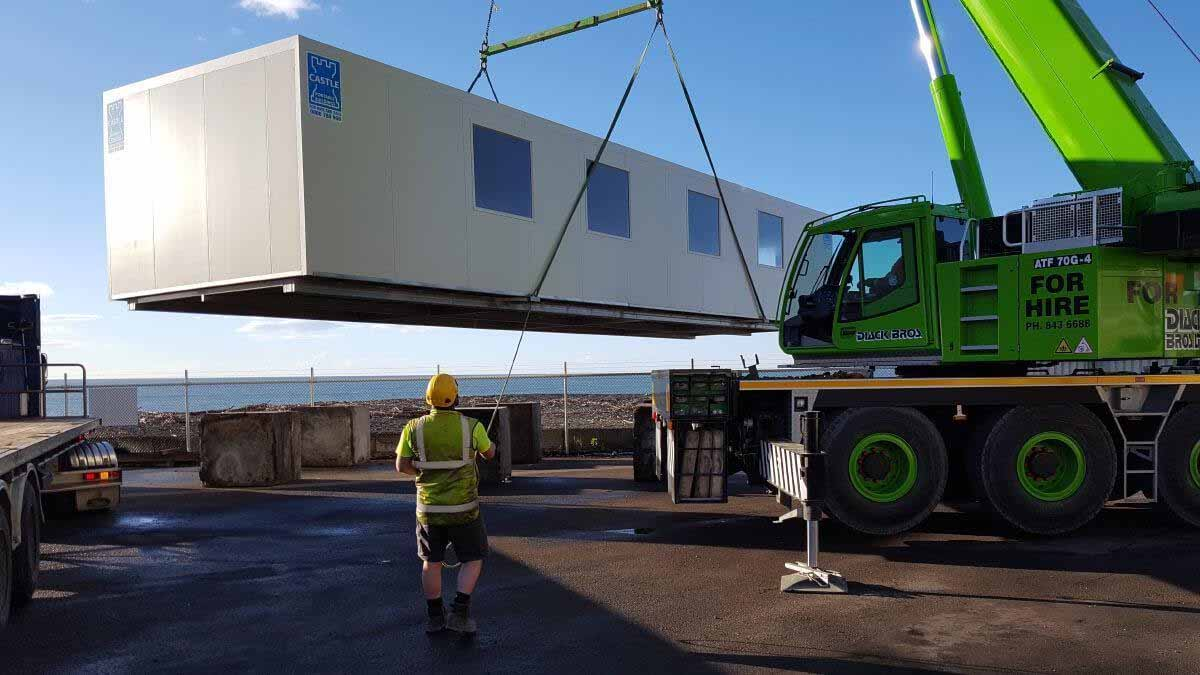
For growers, orchard operators, vineyard owners, packhouses, and labour coordinators, portable buildings can create a practical RSE accommodation site without needing to build everything permanently from scratch. The key is getting the layout right from the beginning.
Start With The Whole Site, Not The Cabin Count
It is common to start by asking, “How many cabins do we need?” That matters, but it should not be the first question.
Start with the full site plan:
- how many workers are expected
- how long they will stay
- where the cabins will sit
- where toilets and showers will be located
- how workers will access cooking and dining areas
- where laundry and waste areas will go
- how the site will be serviced and maintained
Once the full picture is clear, the cabin count becomes much easier to work out. It also helps avoid one of the biggest mistakes in RSE accommodation planning, adding buildings piece by piece without thinking about how the site will function once it is full.
Our portable cabins for RSE workers are designed to support seasonal accommodation planning, with options that can be scaled around workforce numbers and site layout.
Cabins: Sleeping Space Needs Breathing Room
Cabins should be planned as proper sleeping spaces, not crowded holding rooms. Workers need enough room for beds, movement, personal belongings, ventilation, and daily comfort.
When choosing cabins, think about:
- the internal floor area
- bed placement
- door and window positions
- storage space
- privacy
- airflow
- safe access in and out
A cabin that looks large enough in an empty state can feel very different once beds, bags, boots, and personal items are inside. That is why layout matters as much as size.
If you are looking at a longer term accommodation plan, buying may make sense. Our portable cabins for sale can suit growers who expect to use worker accommodation season after season.
For a wider look at affordability and practical worker housing, our blog on second hand portable cabins for NZ’s RSE workforce is a useful related read.
Toilets: Keep Them Close, Clean And Easy To Service
Toilets are one of the most important parts of an RSE accommodation setup. They need to be accessible, clean, easy to maintain, and suitable for the number of people staying on site.
Placement matters. Toilets should be close enough for workers to use easily, but positioned thoughtfully so the living areas still feel clean and comfortable. They also need to be accessible for servicing, waste management, and maintenance.
Portable toilet blocks are often a better choice than scattered individual units for larger accommodation sites because they create a clearer, tidier facility zone. Our portable toilet blocks include different layouts, including accessible options, single pan units, dual pan units, urinal combinations, hand basins, vinyl flooring, and electrical compliance.
The right toilet setup will depend on worker numbers, site size, gender mix, service access, and the expected length of stay.
Showers And Washing Facilities: Plan For Daily Use
RSE workers often finish long days in hot, wet, dusty, or muddy conditions. Proper washing facilities are essential. A shower setup needs to cope with daily use, peak times, and the realities of seasonal work.
When planning showers, think about:
- how many people will use them each day
- when peak use will happen
- how close they are to sleeping areas
- where towels and clean clothing will be stored
- drainage and water supply
- cleaning and servicing access
Pairing cabins with portable showers creates a more complete accommodation arrangement and avoids workers having to rely on unsuitable or temporary wash areas.
A good shower layout also helps keep sleeping cabins cleaner, because workers have somewhere proper to wash before returning to their rooms.
Shared Dining And Break Areas
Sleeping cabins should not have to do every job. Workers need a shared place to eat, relax, and spend time together outside their bedrooms.
A shared dining or break space supports:
- better comfort
- cleaner cabins
- easier mealtimes
- better social connection
- stronger day to day site management
A portable lunchroom can work well as a shared dining or break area for RSE accommodation sites. Depending on the size of the workforce, this may be a single unit or part of a larger setup with multiple facilities arranged together.
Think About Laundry, Storage And Wet Gear
Laundry and storage are easy to underestimate. For short stays, that might not cause major issues. For seasonal accommodation, it can become a daily problem if it is not planned early.
Workers need somewhere practical for:
- clean clothing
- wet clothing
- boots and work gear
- laundry baskets
- personal items
- cleaning supplies
If wet or dirty gear ends up inside sleeping cabins every day, the rooms become harder to keep clean and comfortable. Depending on the nature of the work, a separate storage or drying area may be worth considering.
The goal is to create a living setup that stays manageable after the first week, not only one that looks tidy on handover day.
Access, Drainage And Servicing
A good RSE accommodation layout needs to work for both the workers and the people managing the site.
Think about:
- vehicle access for delivery and servicing
- safe pedestrian paths between buildings
- lighting for early mornings and evenings
- drainage around toilets, showers, and cabins
- emergency access
- rubbish collection and waste areas
If the site becomes muddy, poorly lit, or difficult to service, the accommodation will be harder to manage. Simple layout decisions early on can prevent a lot of frustration later.
Hire Or Buy For RSE Accommodation?
Hiring can suit short term or uncertain needs, especially if worker numbers may change. Buying can make sense when you expect to provide accommodation every season and want long term value from the buildings.
Many growers use a mix of both. They may own core cabins and hire extra units during peak periods. Others start with hire, then move into ownership once their accommodation needs become predictable.
The right answer depends on workforce numbers, budget, site availability, and long term plans.
Talk To Us Before The Season Gets Too Close
RSE accommodation works best when it is planned as a complete site, not a collection of separate buildings. Cabins, toilets, showers, lunchrooms, laundry, storage, access, and servicing all need to support each other.
If you are planning seasonal worker accommodation, get in touch early. We can talk through the site, the number of workers, the facilities needed, and whether hire, purchase, or a mixed setup makes the most sense.
A well planned RSE accommodation site is easier to run, better for workers, and far less stressful once the season begins.