Portable Gatehouses For NZ Worksites: Better Access Control At Busy Site Entrances
A busy site entrance can become difficult to manage very quickly. Contractors arrive, deliveries turn up, visitors need directions, vehicles queue, and security staff are left trying to control everything from a temporary desk, vehicle, or exposed position near the gate.
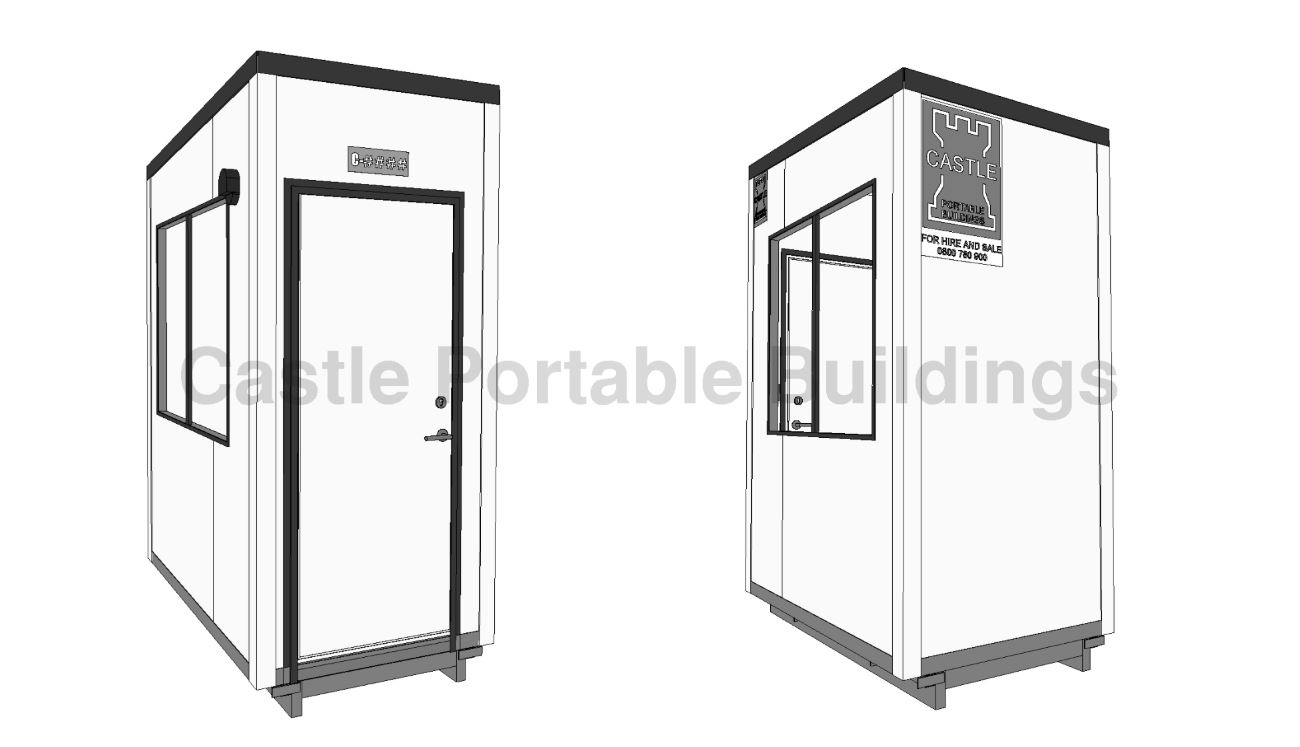
A portable gatehouse gives the entrance a clear control point. It creates a dedicated place for sign-in, security checks, delivery coordination, communication, and traffic management without requiring a permanent building.
We see portable gatehouses used across construction sites, logistics yards, industrial facilities, infrastructure projects, events, storage yards, and commercial properties. They help the site look organised from the first point of contact and give staff a proper space to manage daily movement.
What Is A Portable Gatehouse?
A portable gatehouse is a compact building positioned close to a site entrance or access point. It is commonly used by security staff, gate controllers, administrators, or site personnel responsible for managing visitors and vehicles.
Depending on the site, it may be used for:
- visitor and contractor sign-in
- checking site access permissions
- managing delivery vehicles
- issuing passes or induction information
- communicating with site staff
- monitoring gates, driveways, or barriers
- keeping security records
- sheltering staff working at the entrance
Why A Dedicated Entry Control Point Matters
The entrance sets the tone for the rest of the site. If access is unclear, drivers stop in the wrong place, visitors enter without direction, and site staff lose time sorting out avoidable confusion.
A dedicated gatehouse helps create a clear process. People know where to stop, who to speak to, and what needs to happen before they enter.
This can improve:
- site security
- visitor management
- traffic flow
- delivery coordination
- communication
- record keeping
- presentation
- safety around the entrance
Construction Sites And Infrastructure Projects
Large construction and infrastructure projects often have a steady flow of workers, subcontractors, suppliers, inspectors, and delivery vehicles.
A portable gatehouse can act as the first point of contact, helping the site team keep track of who is entering and why they are there.
It may support:
- daily worker sign-in
- visitor registration
- delivery scheduling
- induction checks
- issuing access instructions
- vehicle movement control
- communication with supervisors
As the project grows, the gatehouse can remain focused on entry control while the portable site office handles management, paperwork, meetings, and project coordination.
Keeping those functions separate can make the whole site run more smoothly.
Industrial Sites And Logistics Yards
Industrial properties and logistics yards often have a different access challenge. The issue is not only who enters, but how trucks, couriers, contractors, and visitors move through the site without disrupting operations.
A portable gatehouse can help staff:
- check driver details
- confirm delivery locations
- direct vehicles to loading zones
- manage temporary access
- communicate with warehouse teams
- record arrivals and departures
- monitor restricted areas
For sites with several entrances, one gatehouse may be used at the main entry while other access points remain controlled or restricted.
The building can also be moved if site access changes, which is useful for expanding yards, temporary projects, or properties undergoing redevelopment.
Events And Temporary Operations
Gatehouses are also useful for events, temporary yards, seasonal operations, and sites that only need controlled access for part of the year.
They can support:
- ticket or pass checks
- contractor registration
- staff entry
- vehicle permits
- equipment deliveries
- site enquiries
- temporary security operations
Because the building is portable, it can be delivered for the required period and removed once the event or project ends. This avoids creating a permanent structure for a short-term need.
Where Should A Gatehouse Be Positioned?
Positioning is one of the most important parts of the setup. The gatehouse needs to be close enough to the entrance to control access, but it should not obstruct vehicles, pedestrians, or emergency routes.
A good location should provide:
- clear visibility of approaching vehicles
- safe access for staff
- enough room for vehicles to stop
- separation from heavy plant
- good communication with the wider site
- access to power if required
- a clear view of gates or barriers
What Features Matter In A Portable Gatehouse?
A gatehouse needs to be practical for the people using it throughout the day.
Useful features may include:
- windows with good visibility
- a secure entry door
- lighting
- power points
- space for a desk or counter
- heating or cooling
- communication equipment
- storage for records or access passes
Pairing A Gatehouse With Other Site Facilities
A gatehouse usually forms one part of a wider portable building setup.
A project may also need:
- a site office
- a lunchroom
- toilets
- storage
- meeting space
- staff welfare facilities
If several functions are needed in a limited area, a combo office and lunchroom unit may help keep management and staff welfare together while the gatehouse remains focused on access control.
A portable toilet block may also be needed near the entrance or main facilities area, especially on remote sites or projects without access to existing amenities.
Planning these buildings together creates a cleaner layout and makes delivery, services, and daily use easier to manage.
Hire Or Buy A Portable Gatehouse?
Hiring often suits temporary projects, events, or sites with a fixed programme. It gives you the control point you need without carrying the building once the job ends.
Buying can make sense for businesses that operate multiple sites, run long-term facilities, or expect to reuse the gatehouse on future projects.
The decision usually comes down to:
- project length
- frequency of use
- transport and storage options
- future site needs
- available budget
Our blog on buying or renting portable buildings in New Zealand provides a broader look at the factors involved.
Common Gatehouse Planning Mistakes
Positioning It Too Late
If the rest of the site is already established, the best entrance location may be blocked by fencing, materials, or traffic routes.
Forgetting Vehicle Queues
The gatehouse may fit comfortably, but vehicles still need room to stop safely while staff complete checks.
Limiting Visibility
A gatehouse placed behind containers, fences, or equipment cannot provide proper oversight of the entrance.
Treating It As A General Storage Room
Once paperwork, tools, and supplies start piling up, staff lose the workspace they need for access control.
Ignoring Staff Comfort
Security and gate staff may spend long periods inside the building. Lighting, ventilation, power, and a sensible layout matter.
Better Access Control Starts At The Gate
A portable gatehouse gives busy NZ worksites a dedicated place to manage people, vehicles, deliveries, and security from the moment they arrive.
It helps reduce confusion at the entrance, improves communication, and gives staff a proper environment for access control. Because the building can be delivered, relocated, hired, or purchased, it can suit both temporary projects and ongoing operations.
If you are planning a construction site, industrial yard, event, or secure commercial property, talk to us early. We can help you choose a gatehouse size, plan the placement, and coordinate it with the rest of your portable site facilities.
A well-managed site usually starts with a well-managed entrance.